Why Summer is Perfect for Family Hearing Checkups
If your family spends part of the summer at Belle Isle, you know how it


By: admin | January 28, 2026
When you’re struggling to hear clearly, the effort required just to follow conversations can start wearing on you in ways that go beyond your ears. You might not connect the dots at first, but constantly straining to understand what people are saying, missing punchlines or feeling left out of group discussions takes a mental toll.
You leave social events feeling drained instead of energized. You start second-guessing yourself in conversations because you’re not sure if you heard correctly. You feel anxious about situations where you know hearing will be difficult, like noisy restaurants or crowded gatherings, and you might begin avoiding them altogether.
The frustration of asking others to repeat themselves over and over can make you feel like a burden, so you stop asking and just nod along, which only deepens the sense of disconnection.
What many people don’t realize is how much untreated hearing loss can affect your mood and overall mental well-being. When your brain is working overtime all day to fill in gaps and make sense of incomplete sound, it doesn’t have as much energy left for other things.
The combination of social withdrawal, constant mental effort and miscommunication can contribute to feelings of depression and anxiety over time. Addressing hearing loss is allows you to feel more present and comfortable in your own life again.
Your brain works hard to make sense of sounds and speech. When hearing loss occurs, your brain must use extra energy to fill in missing pieces during conversations. This extra effort can leave you feeling tired or stressed after social situations.
Good hearing supports clear thinking and memory. If your brain spends more time trying to understand words, it may have less energy for remembering details or staying focused.
You can help your brain by facing people when they talk and reducing background noise whenever possible. These steps make listening easier and help keep your mind sharp during daily conversations.
Hearing changes can start gradually, and the first signs are often subtle. You might notice that conversations feel a little harder to follow, especially in noisy settings or that certain sounds seem less clear than they used to.
Early hearing loss can affect how you interact with others, how you focus during meetings or even how you experience music and television. Recognizing these early symptoms gives you a clearer picture of what is happening and helps you take steps to support your hearing before challenges become more noticeable.
Some common early indicators include:
Noticing one or more of these signs does not automatically mean significant hearing loss, but it is a helpful signal that your ears may be working harder than they used to.
When hearing loss is not managed, it can lead to feelings of frustration or sadness. Simple conversations may become tiring or confusing, making social situations less enjoyable. This may cause you to step back from group activities or gatherings.
Relationships with friends and family may also shift. Misunderstandings can happen more often if you miss parts of conversations or need things repeated. Sometimes, loved ones do not realize why communication feels different.
Letting others know about your hearing needs can help them support you during conversations. Sitting closer to speakers and choosing quieter places for discussions can also make talking easier.
These small changes help keep relationships strong and reduce stress linked to communication.
Untreated hearing loss can make it harder to follow instructions, take part in group discussions or keep up with lessons at school or tasks at work. Missing key information during meetings or classes may lead to mistakes or confusion, which can cause stress and lower your confidence.
You might also feel left out when coworkers or classmates talk quickly or in noisy settings. Repeatedly asking for clarification can feel uncomfortable, making you less likely to speak up or join group activities.
Addressing hearing changes early helps you stay involved and do your best at work or school.
When hearing starts to change, everyday conversations can require more effort, especially in group settings or noisy environments. Some people respond by avoiding social events, family gatherings or group activities because participating feels tiring or stressful.
This shift can gradually lead to spending more time alone, even if it is not a conscious choice, and may increase feelings of isolation or disconnection from friends and family.
Feeling left out during discussions is a common experience for those with hearing changes. Missing parts of conversations or misinterpreting what is said can create frustration or embarrassment, which can make social interactions less enjoyable.
Social connection plays an important role in overall mental health. Interacting with others, sharing experiences and participating in conversations helps support emotional well-being, reduce stress and maintain a positive mood.
For someone experiencing hearing changes, the social impact can be subtle at first, but it can become a significant factor in how fulfilled and comfortable they feel in daily life.
Hearing changes can affect the way you interact with others, even with people you are close to. When it becomes harder to follow conversations, misunderstandings can happen more often. You might miss key details, respond in ways that don’t match what was said or need others to repeat themselves frequently.
These small moments can create frustration for both you and the people you communicate with.
These communication challenges can influence relationships in several ways. Friends and family may feel they are not being heard, while you may feel isolated or misunderstood. Group conversations, like family meals or meetings with colleagues, can become especially tiring, which may lead to avoiding certain interactions.
The impact on relationships is often gradual. Simple conversations that once felt effortless may require more focus and energy, and emotional connections can be affected when communication feels disrupted.
Mood changes are a common effect of hearing difficulties, but many people do not realize how much their feelings can shift over time. You may notice feeling more irritable or down lately.
Hearing loss can make everyday situations feel more stressful. Simple misunderstandings or missed words may lead to frustration, embarrassment or even anger during conversations. Over time, these feelings might build up and cause you to feel less patient with others.
Some people also notice they feel sadder or less interested in activities they once enjoyed. This change in mood can be linked to the extra effort needed to communicate and the sense of missing out on social moments.
Ongoing hearing loss can sometimes lead to anxiety, especially when you are unsure about what sounds you might miss or how communication will go in different situations. This worry may show up as nervousness before social events, feeling tense in group conversations or being concerned about misunderstandings.
Common signs of anxiety related to hearing loss include:
These feelings can affect your mood and make daily life feel more difficult. Recognizing that anxiety can be connected to ongoing hearing changes may help you notice patterns and find ways to manage stress linked to these experiences.
Hearing changes that go unaddressed can have a noticeable impact on emotional well-being. Struggling to follow conversations or feeling disconnected during social events can create frustration, embarrassment or a sense of being left out.
These experiences can make social interactions feel draining, which may cause someone to withdraw from activities or limit time spent with friends and family.
The emotional effects can extend beyond social situations. Missing important details, feeling misunderstood or needing extra effort to communicate can gradually influence your overall mood. Some people may begin to lose interest in hobbies or activities they previously enjoyed, experience lower motivation, or feel more irritable and fatigued than usual.
These shifts in daily life can contribute to persistent feelings of sadness and, in some cases, develop into depression if the underlying hearing changes are not addressed.
Many people wait to get help for hearing issues because they think the problem is not serious or will go away on its own. Sometimes, changes in hearing happen so slowly that you may not notice how much it affects your daily life.
There can also be worries about what others might think or concerns about using hearing devices. Feeling uncertain or embarrassed is very common, and it is normal to want to avoid these situations.
Cost and access to care are other reasons some people delay getting help. Understanding these barriers can make it easier to recognize when support might be helpful for your well-being.
Untreated hearing loss can affect your mental health in many ways, from changes in mood to feeling more isolated or stressed. Addressing hearing changes early helps you stay connected with loved ones and enjoy daily activities with greater confidence.
If you have noticed signs like turning up the volume more often, missing parts of conversations or feeling left out in social settings, reaching out for support can be helpful.
Our team at George Iwanow Hearing Aid Centers is available to answer questions and guide you toward better hearing and well-being. To learn more or schedule a visit at one of our locations, please contact us at:
Taking action today supports both your hearing health and mental wellness.

If your family spends part of the summer at Belle Isle, you know how it
By: admin | July 26, 2026
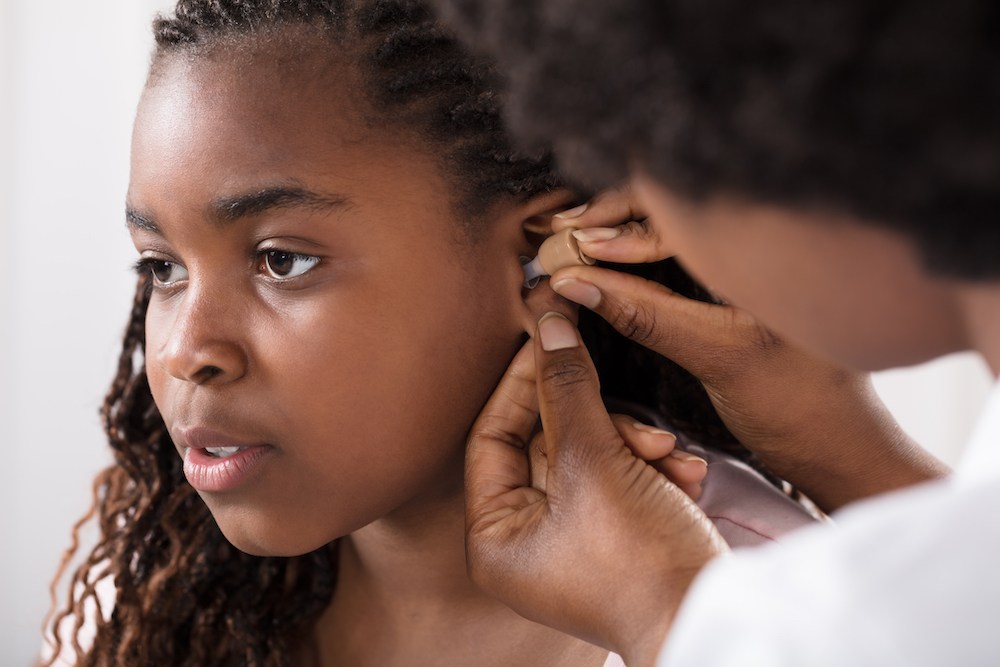
For many people, getting hearing aids isn’t just about hearing
By: admin | June 25, 2026
When you’re struggling to hear clearly, the effort required just to
By: admin | January 28, 2026