Why Summer is Perfect for Family Hearing Checkups
If your family spends part of the summer at Belle Isle, you know how it


By: admin | July 26, 2026
If your family spends part of the summer at Belle Isle, you know how it goes. Grills are going near the picnic shelters, kids are running through the fountain, someone has music playing a few spots over and a boat passes under the bridge. It is a lot of sound at once.
That is usually when someone in the family says “what?” for the second or third time. Nobody thinks much of it in June, but by August, everyone has quietly adjusted around it.
Summer works well for a hearing checkup for a simple reason. Schedules loosen up, and there is more room to actually get an appointment on the calendar. Kids are out of school; work may slow down a bit; and family is often in town for cookouts or reunions.
This makes it easier to bring in more than one person at a time. A grandparent, a teenager who blasts music through earbuds or a parent who has been turning the TV up can all get checked in the same summer.
Instead of waiting until fall schedules fill back up, this is the stretch where it may be easier to make it happen.
Hearing changes are not always obvious at first. A child may start missing parts of classroom instructions. A parent may turn the TV up a little louder than usual. A grandparent may seem quieter at family dinners because it takes more effort to keep up.
These changes can be easy to explain away, especially when everyone is busy.
Routine hearing care gives families a clearer picture of what is going on. It can help catch small changes before they start affecting school, work or time spent together.
For kids, hearing well supports speech, learning and confidence in the classroom. For adults, it can make conversations at work, social events and home feel less tiring.
Hearing also affects how people stay connected. When someone has to keep asking others to repeat themselves, they may start talking less or avoiding noisy places altogether.
Phone calls, meals, family gatherings and quick conversations around the house can all become harder than they need to be. Checking in on hearing regularly helps families notice those changes sooner and get support before someone starts feeling left out.
Summer brings a slower pace that makes managing family calendars much easier. Without daily homework or after-school sports, you have more free time to look after family health needs.
Booking appointments during these warmer months allows you to beat the hectic fall rush completely. You can often get the entire household seen on the same day without conflicting schedules. Checking this off your list now means one less thing to worry about when schedules get tight again.
Getting a hearing checkup before September sets your child up for a great start in the classroom. Students need to follow instructions, talk with peers and participate in group lessons easily.
Taking care of these visits during the break gives you plenty of time to find solutions if any issues arise. Your child will head back to school feeling fully prepared to learn and socialize with their friends.
Family gatherings can make hearing changes easier to notice. Around the dinner table, in the backyard or with the TV on in the next room, there is usually more background noise than people realize.
You may notice small changes before anyone says they are having trouble, like:
Summer in Metro Detroit can get loud fast. One weekend might mean a family barbecue in the backyard, and the next might involve a trip to the lake, a Tigers game or a crowded outdoor festival.
Those settings are fun, but they are not always easy listening environments. Between traffic, music, wind and people talking in every direction, it can be harder to catch what someone said or follow a quick change in plans.
A few small choices can make those outings easier. Face the person you are talking with when you can, especially in places with a lot of background noise. Step to the side for important conversations, like where to meet up or when everyone wants to leave.
If you use hearing devices, wearing them during these outings can help your brain stay more connected to the sounds around you.
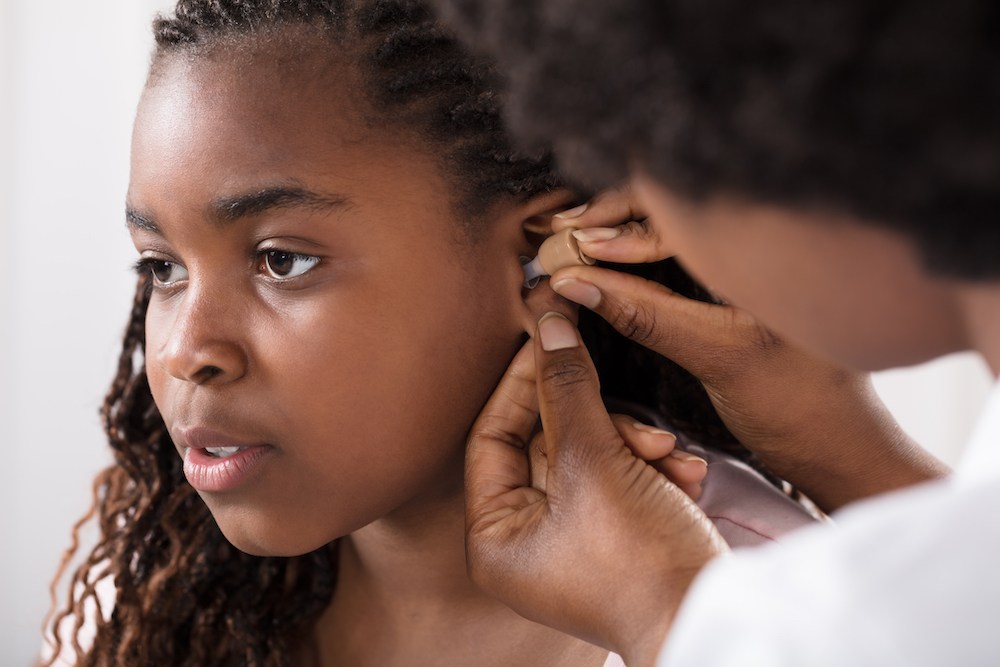
A family hearing visit is usually simple and relaxed. Each person is checked one at a time, so the audiologist can understand what they are noticing and what kind of listening situations are hardest for them.
For adults, that conversation may include changes at work, trouble hearing in groups or needing the TV louder than before. For children, parents may mention things like missed instructions, speech concerns or trouble responding when called from another room.
The testing itself depends on the person’s age. Adults are usually asked to respond when they hear different tones, then repeat words or sentences so the audiologist can see how clearly speech is being understood.
These tests help show not only whether sound is being heard, but how well the brain is making sense of it.
Children’s hearing tests are often handled differently. Younger kids may not be able to explain what they hear, so the audiologist may use games, pictures or simple response activities to keep them involved.
Some tests can also check how the middle ear is working without the child needing to say or do much at all. That can be helpful for younger, shy or easily distracted children.
Once the testing is done, the audiologist will explain the results and talk through whether anything needs attention now or should simply be watched over time.
Helping children feel comfortable before their first hearing checkup can make the experience much easier for everyone. Parents and caregivers can prepare children by talking about what will happen during the visit in simple, positive terms.
You might also try these tips to help your child feel at ease:
Bringing up hearing health with family members can sometimes feel awkward or uncomfortable. Many people are unsure how to start the conversation, especially if they worry about causing concern.
Open discussions help everyone understand that hearing health is just as important as any other part of well-being. These talks make it easier for family members to support each other and address concerns early.
Hearing can come up the same way anything else does in a family. A quick comment here and there keeps the topic normal, so it does not feel strange or stressful when someone needs to talk about it later.
Summer can be rough on kids’ ears in ways parents do not always think about until there is a problem.
A day might start at the pool, turn into an afternoon at a ball game and end with fireworks or music outside. That is a lot for small ears, especially when kids are too busy having fun to notice when something feels too loud.
Water is one part of it. After swimming, kids may stick fingers, cotton swabs or random little objects in their ears if they feel itchy or plugged. That can irritate the ear canal and make things worse.
Drying the outside of the ears with a towel after the pool, lake or splash pad is usually enough.
Noise is the other part. Fireworks, concerts and other outdoor events can be uncomfortably loud for children, even when adults are used to the sound. Keeping child-sized ear protection in the pool bag, stroller or car makes it easier to use when an event gets loud, without turning it into a big warning right before the noise starts.
Family schedules fill up quickly, and medical appointments are easy to put off when nothing seems urgent. Most parents already think about dental cleanings, eye exams and physicals before school starts.
A hearing check can fit into that same rhythm, especially during summer or back-to-school planning.
For children, that can help catch issues that may affect speech, learning or attention in class. For teens and adults, it gives the audiologist a baseline to compare against if hearing changes later.
Making hearing care a regular part of family health makes it easier to spot changes before they become harder to ignore. It also helps kids grow up seeing ear care as normal, not something that only matters when there is a problem.
Before summer gets packed with cookouts, weekend plans and trips out of town, it may be a good time to get hearing checkups on the calendar. The appointment is usually simpler than people expect, and it can catch changes that are easy to brush off during family gatherings.
George Iwanow Hearing Aid Centers has offices across Southeast Michigan. You can choose the closest location instead of turning an appointment into a full day of driving.
Call the office nearest you to schedule a visit while summer still has a little room in it: Macomb at (586) 646-4355, Livonia at (734) 237-3411, Royal Oak at (248) 284-4466, St. Clair Shores at (586) 439-0911 or Wyandotte at (734) 720-1500.
If your family spends part of the summer at Belle Isle, you know how it
By: admin | July 26, 2026
For many people, getting hearing aids isn’t just about hearing
By: admin | June 25, 2026

When you’re struggling to hear clearly, the effort required just to
By: admin | January 28, 2026